A Gospel for Cornelius: Discovering Mark's Affinity with Matthew now available.
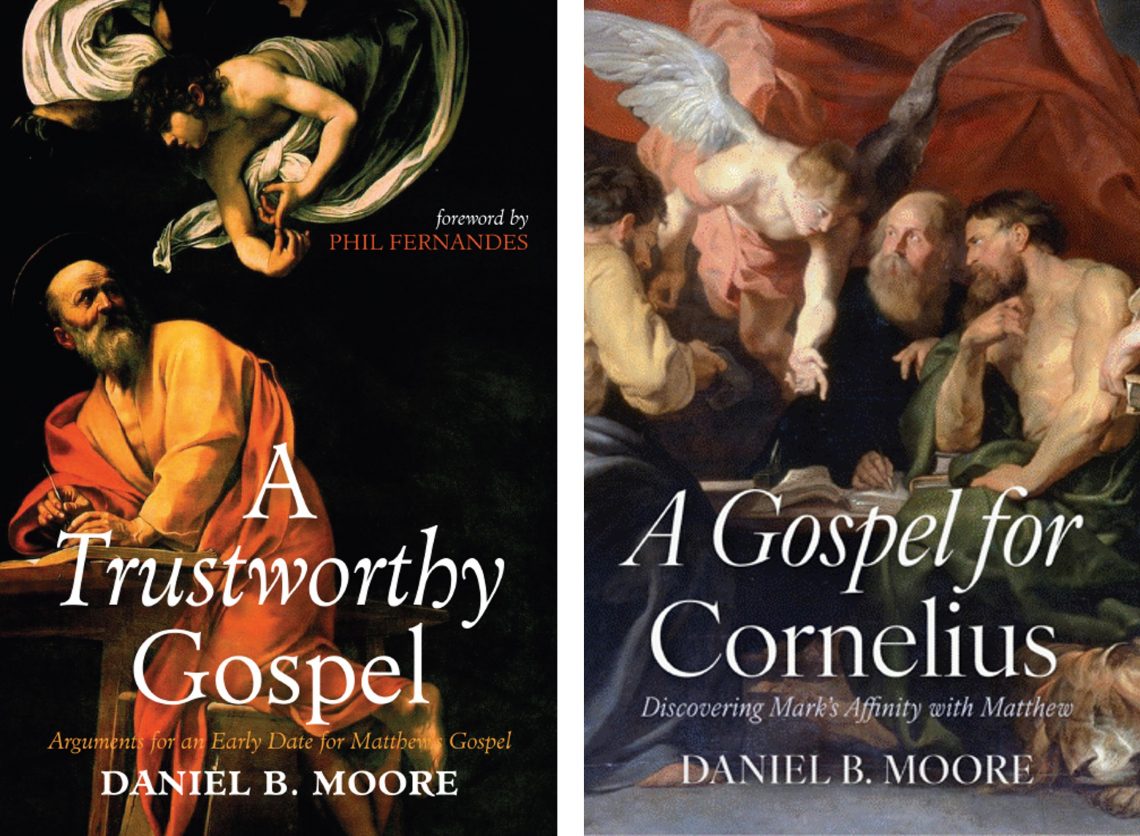
A Gospel for Cornelius: Discovering Mark's Affinity with Matthew now available.
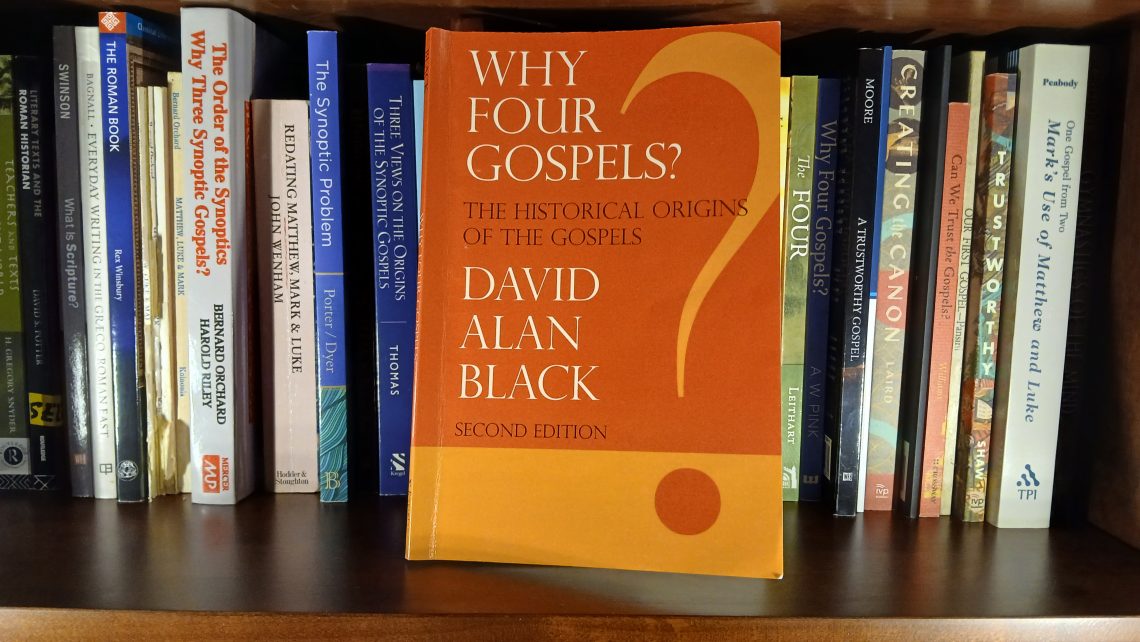
This article articulates a four-step framework for the progressive proclamation and publication of the Synoptic Gospels and Acts (assuming a Matthew, Mark, Luke sequence), contrasted with Black's four phase Gospel development model (which assumes a Matthew, Luke, Mark sequence).

My upcoming book on Mark’s Gospel explores exegetical insights and harmonization benefits that are available if one accepts the premise that Mark was published for the benefit of Cornelius and friends in Caesarea Maritima shortly after their conversion per Acts 10, and shortly after the publication of Matthew’s Gospel. This…

In A Trustworthy Gospel: Arguments for an Early Date for Matthew’s Gospel, I argued that Matthew was published in Greek within roughly a decade of the resurrection for the benefit of Jewish believers, coincident with the events in Acts 10–11, as Peter and Paul began their outreach to the Gentiles.…

Thomas Birks’ 1852 book, Horæ Evangelicæ, encourages us to seriously consider much earlier dates for the Gospels than is presently popular. In Birks’ day, liberal German theologians (e.g., David Strauss) were characterizing the Gospels—”not as real histories, but as a collection of early legends that had their origin in ideal…

In this article, we explore yet another instance where assumptions concerning the publication dates of the Gospels impact one's understanding of the meaning of the Gospels. Here, the parable of the wicked tenants is said by several scholars to be properly understood as teaching that the "others" who would assume…